
The Illusion of Quick Fixes in Wellness: A Better Approach to Healing
In a world where instant gratification is the norm, it’s no wonder that many of us find ourselves searching for the elusive magic fix for our health issues. Whether it’s chronic pain, stress, or fatigue, we’re bombarded with promises of quick solutions—take this pill, undergo that trendy treatment, or invest in the latest wellness gadget. But what if the real path to healing lies not in flashy solutions but in a deeper, more personalised approach?


The Search for the Magic Fix
We’ve all seen those ads promising miraculous outcomes: “Buy this device to fix your back pain!” or “just have this unique, specialised treatment or advanced medical massage method!”
The truly horrifying Instagram posts where the therapist is absolutely massacring their client, literally scraping them raw and bleeding, using suction cups until they look like they’ve had a one night stand with an over enthusiastic octopus, or violently forcing their way into tissues, brutally digging in and bruising while the client writhes and screams out in pain with the narrative that this will “release” knots or old adhesions.
The truth is, these quick fixes don’t work long term, can be damaging, and often mask underlying issues rather than resolve them.
A good explanatory example was a client with fibromyalgia who was sadly involved in an accident, leaving them with significant injuries. In the immediate weeks of recovery, their fibro “disappeared”; their nervous system had more pressing things to attend to, but as they recovered, it re-emerged. This is like the short-term “feeling better” effects these painful treatments can elicit, albeit on a less dramatic scale.
For others, the ongoing issues are a sign of something else going on that needs further investigation rather than repeated short-term relief. Many people find themselves relying on and returning to the same treatments, time and time again, at great cost, only to realise they’re still struggling with the same underlying problems.
I get the appeal. The desire to get a quick result, get fixed, get out of pain and back to life with as little effort as possible, to have someone else take care of it, but this can lead to an over reliance on the therapist alone, rather than also learning strategies for self management, can foster concepts of fragility leading to unnecessary fear or avoidance of movements that in long term is detrimental. And may prohibit addressing underlying contributing factors.

The Boring Truth About Healing
It’s time to face a hard truth: healing is usually a gradual process that requires consistent effort. While it’s tempting to chase after the latest “miracle cure,” the reality is that sustainable wellness usually stems from boring, everyday habits—like proper nutrition, good sleep, regular movement, and effective stress management.
These things are much cheaper or free to work on. Common sense strategies that gradually chip away at aggravating factors and build capacity and resilience. It’s about prevention, management, optimising conditions for you to heal/thrive, minimising those that slow recovery/result in flares, moving more efficiently, and modifying symptoms.
It’s about learning about yourself and what works for you. It’s about marginal gains rather than quick fixes, and there is no one-size-fits-all treatment. So yes, it’s harder and takes a bit of effort. Sadly, this doesn’t make for flashy, engaging marketing. It’s not Insta-friendly.
What Good Therapy Should Look Like
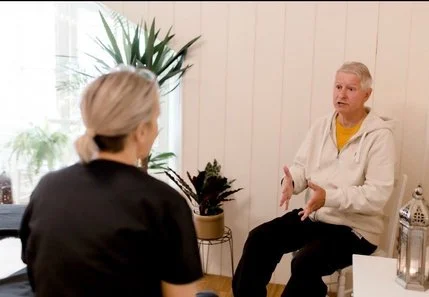
So, what does effective therapy look like? At its core, it should be person-centred and tailored to each individual’s unique needs. This means moving away from a one-size-fits-all mentality and embracing a collaborative process.
A good therapist doesn’t just dictate solutions; they work alongside their clients, fostering an environment of exploration and dialogue.
This partnership is crucial. It allows people to feel empowered in their healing journey, exploring what works best for them rather than adhering to a rigid protocol.




How Might That Look?
That can come in many forms: listening, validating your experiences, working out together what goals are important to you and why, signposting to information to read or learn about, and exploring useful strength, movement, or lifestyle strategies. Even referring you back to your GP for further investigation or treatment with someone better suited to help you at that time.
And yes, of course, for some people, an enjoyable massage can be a useful part of their overall wellbeing. It can incorporate guided and supported movement to build confidence and reduce threat perception. It can provide useful proprioceptive feedback, helping facilitate efficient movement.
It can be mindful, being in the moment, focusing on immediate sensations of touch, sound, and smell rather than your worries or to-do list, allowing you to step off the treadmill of life for a moment and recharge or reflect.
It can be one of your stress reduction strategies, allowing you to feel safe, cared for, have someone to focus on you/a reward for hard work or training/time for you/rest/facilitate awareness and interoception/time to vent frustrations to someone not directly involved who is bound professionally to confidentiality… heck, it can just feel good!
But the appointment can incorporate more than just that if that’s useful for you, and should be part of your wellbeing when you feel it would be useful, not the whole strategy or because you rely on it to “fix” you.

The Pitfalls of Pain-Driven Marketing
We live in a world where pain-driven marketing thrives, often promoting misleading narratives that promise miraculous results. This approach perpetuates dependency on treatments rather than fostering true healing.
It’s time to shift our focus from profit-driven solutions to genuine care and support. What we truly need are practitioners who prioritise our well-being, offering honest guidance and empathy rather than simply pushing the latest trend to raise their profile and make £££.
Yes, in private practice, we have to make ends meet, pay our bills, and take a wage, but there’s an absolute ethical line beyond which excess profit-seeking comes at the expense of a client’s well-being.
Conclusion
As we navigate the complexities of wellness, it’s essential to reframe our expectations. Embrace the journey of healing as one that requires effort, patience, and personal investment.
Accept that for some chronic conditions, management to live as pain-free and meaningfully as possible is a more realistic goal than a cure. Seek out therapists who are committed to a collaborative, individualised approach, and don’t shy away from the hard work that comes with true healing.
Let’s move beyond the illusion of quick fixes and embrace a path that prioritises our well-being, one step at a time.